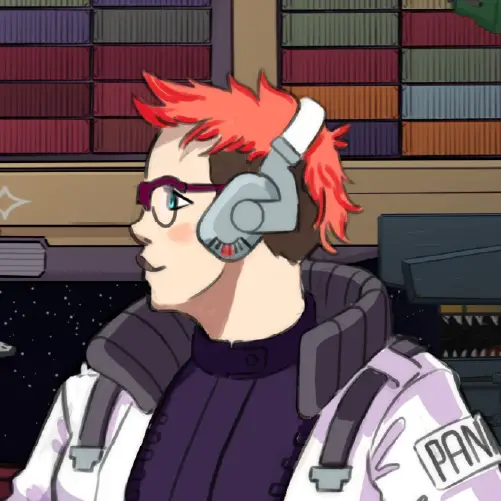

Art is political. While not all art needs to throw down the gauntlet, now is the time for artists to take some big swings. American Demigods, a Game Master Monday four-episode miniseries, will knock you out. “It’s obviously deeply tied into the current political situation, and there is a helplessness that I think a lot of us feel,” Supriya, the game master, explains. This show features a team of demigods coming together to save democracy (literally). American Demigods is not just a game, but a conversation and a call to action.
Quick info:
Audio: Good, varying degrees of mic quality, light editing, and sound effects
Vibes: League of Extraordinary Gentlemen, American Gods, Percy Jackson
Number of Episodes Reviewed: 4
System: Demigods by Probably Ok Games
Average Episode time: 1h 15 minutes
Accessibility: Content Warnings in episode description. This show focuses a lot on current events in politics, religion, and society.
Platforms: Audio Only, Podcast
Language: English
When critiquing the technical aspects of the show, I must provide context for how Game Master Monday functions. It is fully volunteer-led and operated, functioning as a community theatre of actual plays where new players, game masters, and more can get their feet wet. They specialize in short miniseries and one-shots, playing a wide variety of different games. So with that being said, I would have liked the music a few notches lower and the editing a bit tighter. There are a few instances where the dialogue lulls, and some voices are louder than others. The constant upbeat music behind the dialogue gets a bit overstimulating. On the other hand, the sound effects are fantastic, and some got a good chuckle out of me. Nordine has improved significantly with each series.
The setting is similar to our own, but with a Percy Jackson-style hidden world right in front of us. This aligns with the setting described for Demigods by Probably Ok Games. The quickstart states, “Multiple truths, all at once. Lean into it.” And they do. Supriya specifically looked outside existing gods and pantheons. She explained the choice came from her first time running Demigods:
“I had one [player] that chose to be the child of Santa Claus…but everybody else was in the established pantheons. I found that really limiting, because I am not one of the people who has a world full of existing mythology in my head that I could easily pull from.”
Another highlight of this series is the decision not to call out any specific religious institutions. Supriya pressed this point hard when I chatted with her, “One of the things that I want to be clear about is that any religion can be responsible and be used as the cudgel. So I didn’t wanna point fingers at any one particular religion.” While some of the scenes will allude to specific problematic “Christian” groups, it is never specified as such and left ambiguous.
You will find a few nods to existing stories and myths. We are kicked off by the prophetic three witches of Shakespeare’s Macbeth, who appear to the mundane as simply three people warming by a fire in an alley. As a fan of Billy the Bard myself, I can tell you those witches’ significance becomes more apparent in later episodes.
The first episode is more of an establishing pilot. We are introduced to each character individually, highlighting their specific roles as Demigods. Thane Fontaine (Grant Nordine) is the demigod of [redacted], Opportunity (Kendrick Smith) is quite plainly Opportunity, Yarrow Mitchell (Abby Yazzie) is Comfort Food-Southwest Region, Celeste “Lavie” Jobi (Diamond Lynn) is Adrenaline Rush, and Ruhan Rafiq (Noordin Ali Kadir) is the demigod of Psychopomps — the transition of life into death.
Our Demigods
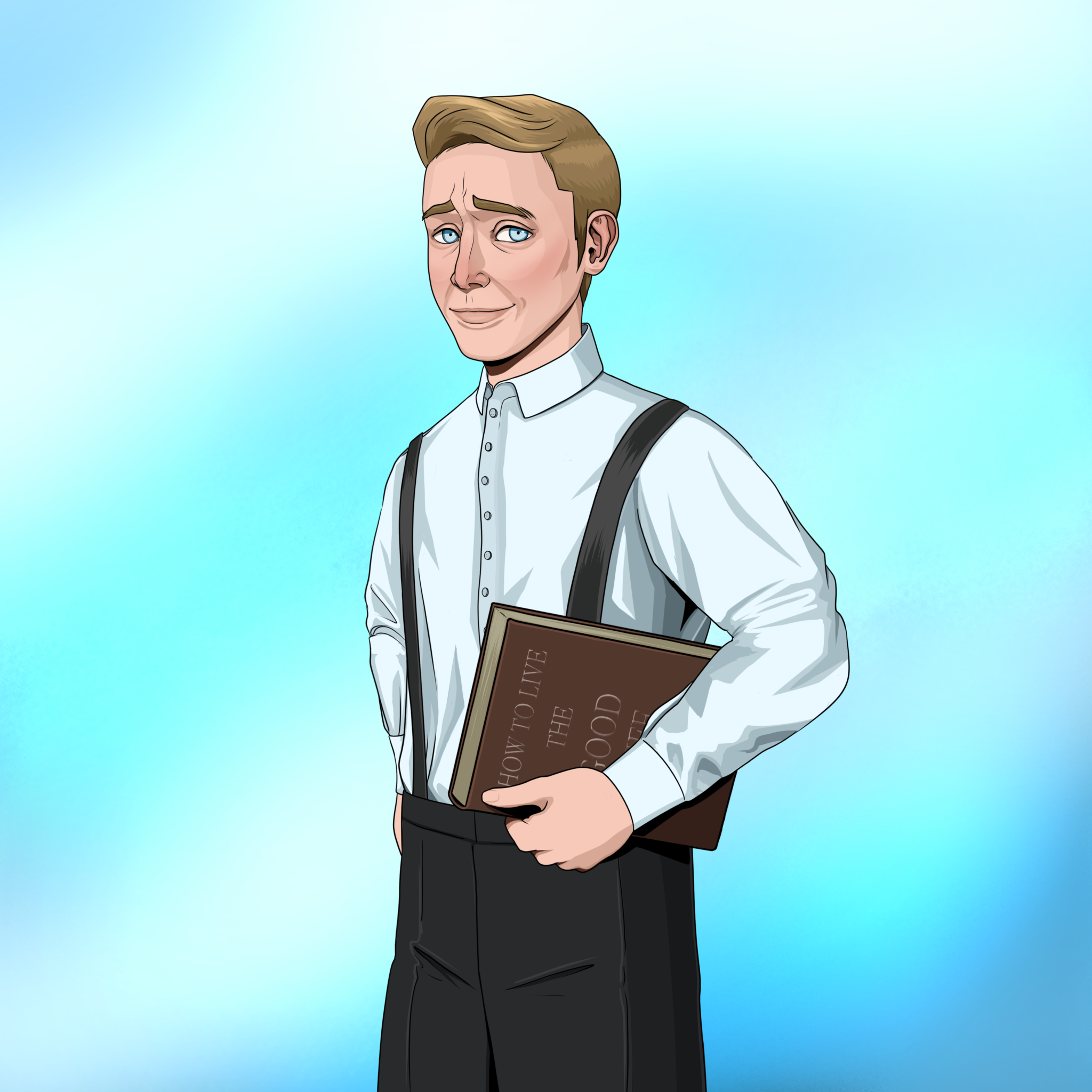
Thane Fontaine (he/him) is an enigma as to what his demigod powers come from. What I do know is that he uses the playbook of the celestial, which is described as a spy with oracle-like powers in the game. However, Nordine’s approach is, as usual, unconventional. He is seen carrying a large book, a collection of rules and ideals he has collected over time to guide him through life.
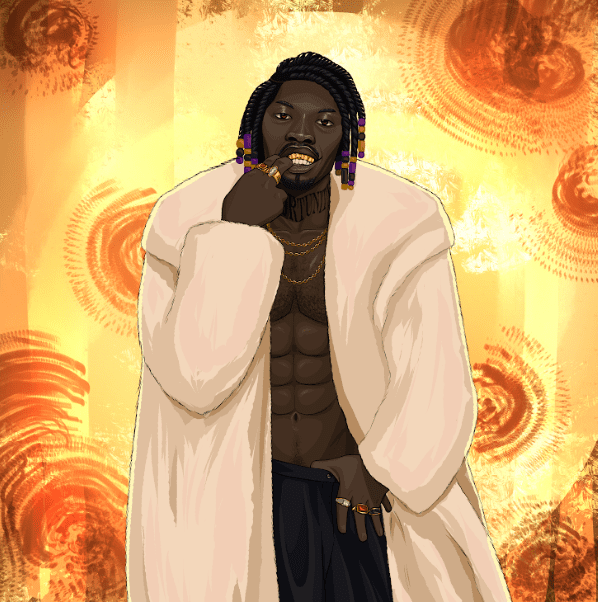
Thane is contrasted by Opportunity (any/ all), who has nothing to hide. In fact, she is happy to be in the open, shifting themselves into whatever benefits him at the time. Smith fully embodied the muse playbook as presented, specifically where it mentions, “You make everyone look good, especially yourself.” Smith does a great job of skirting the line of virtue, giving the character an opportunity (heh) for growth.
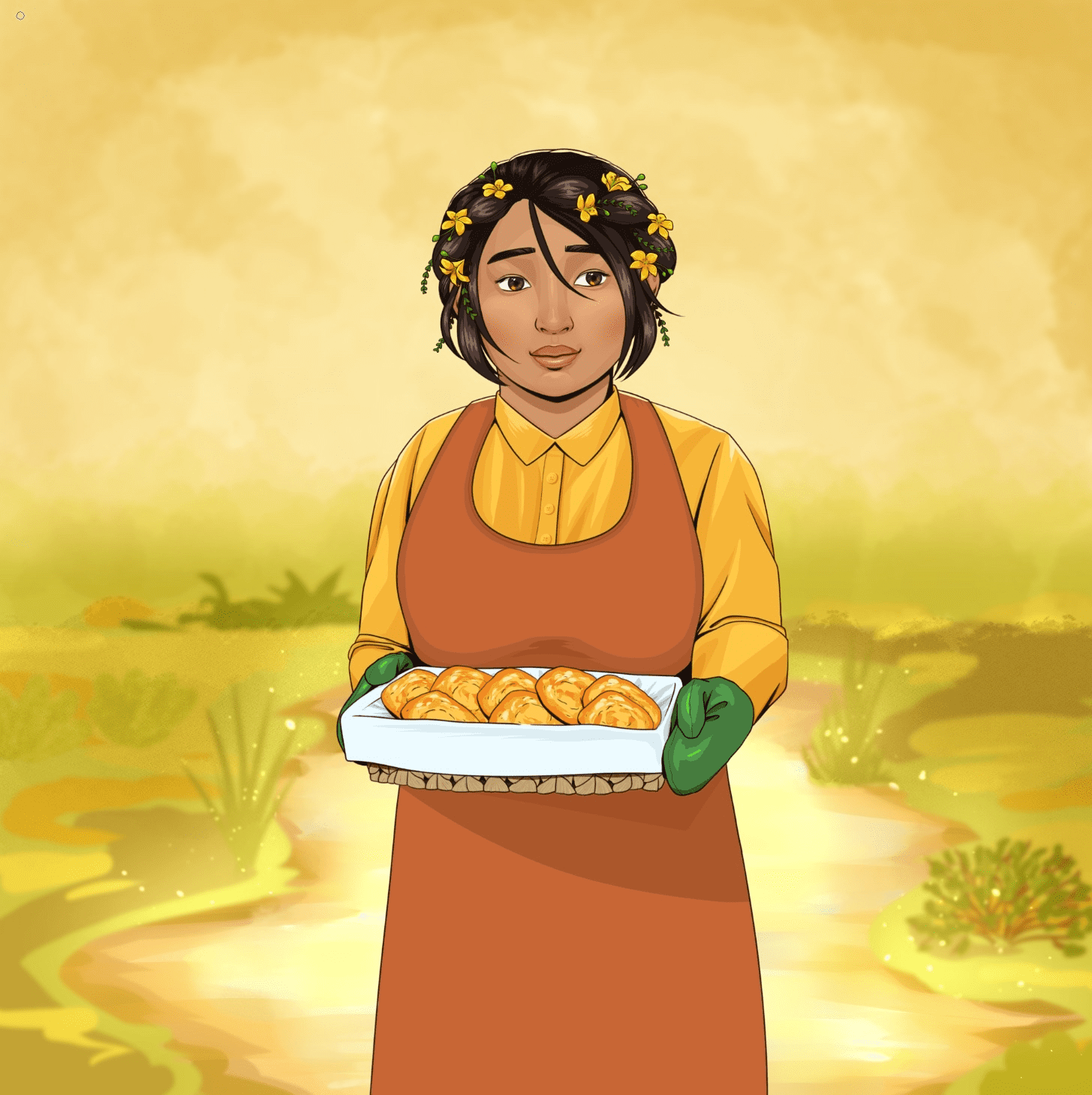
There for all the right reasons is Yarrow Mitchell (she/her), aptly named for a plant with many healing and health benefits. She is a clever use of the Verdant playbook — a steward of fertility, vitality, and life. With the assistance of Saní Yazhí the raccoon, she manifests her powers through her cooking. This was a delightful interpretation, as food is a universal language of care and love, and Yazzie layers her character generously in both.
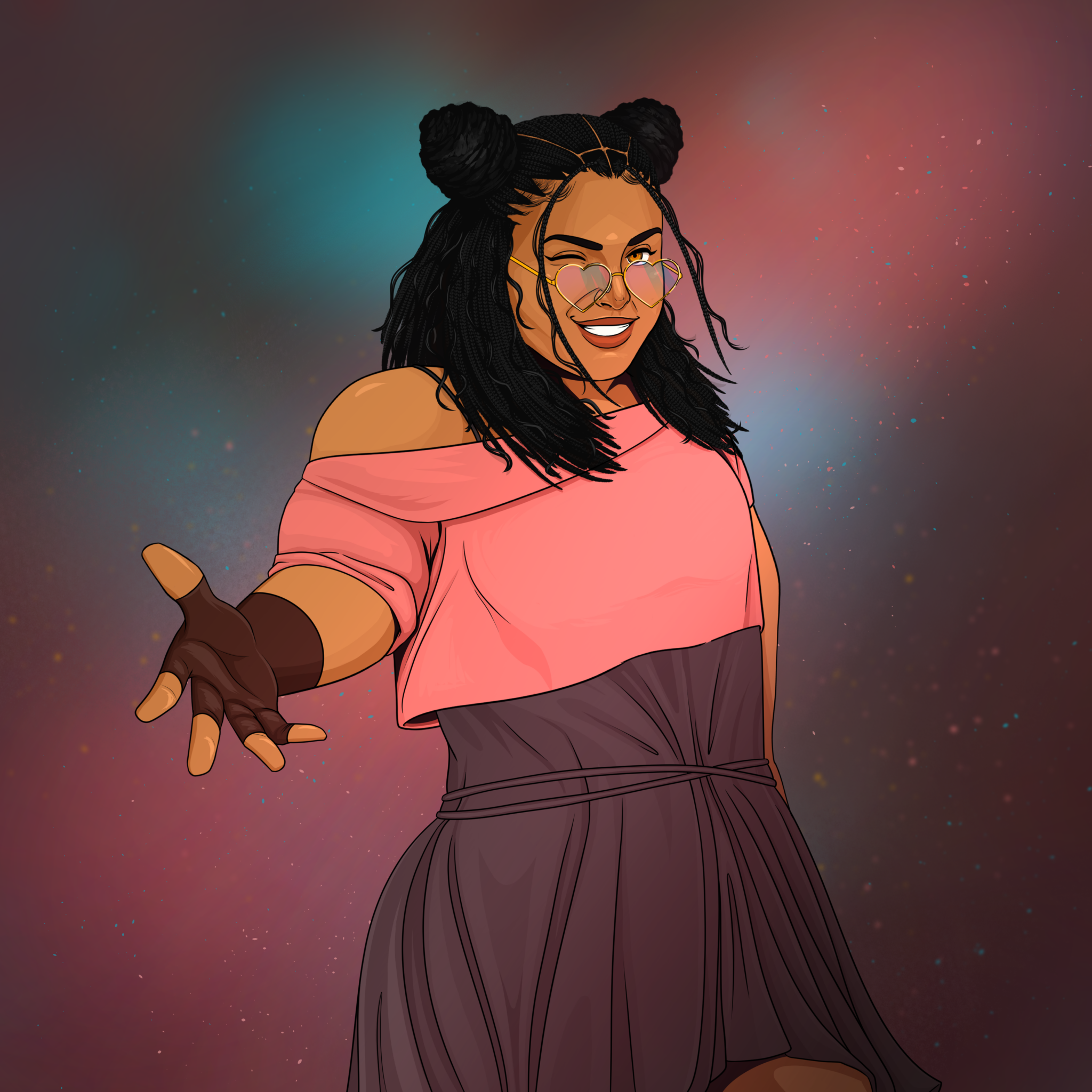
Celeste “Lavie” Jobi (any/all) only recently gained his status as a demigod. His opening scene focuses on when it happened and how their love of extreme sports earned them the warrior playbook. Breaking away from the low wisdom warrior tropes, Lynn gives Lavie incredible insight and intuition, skills that keep you safe when riding the line between life and death.
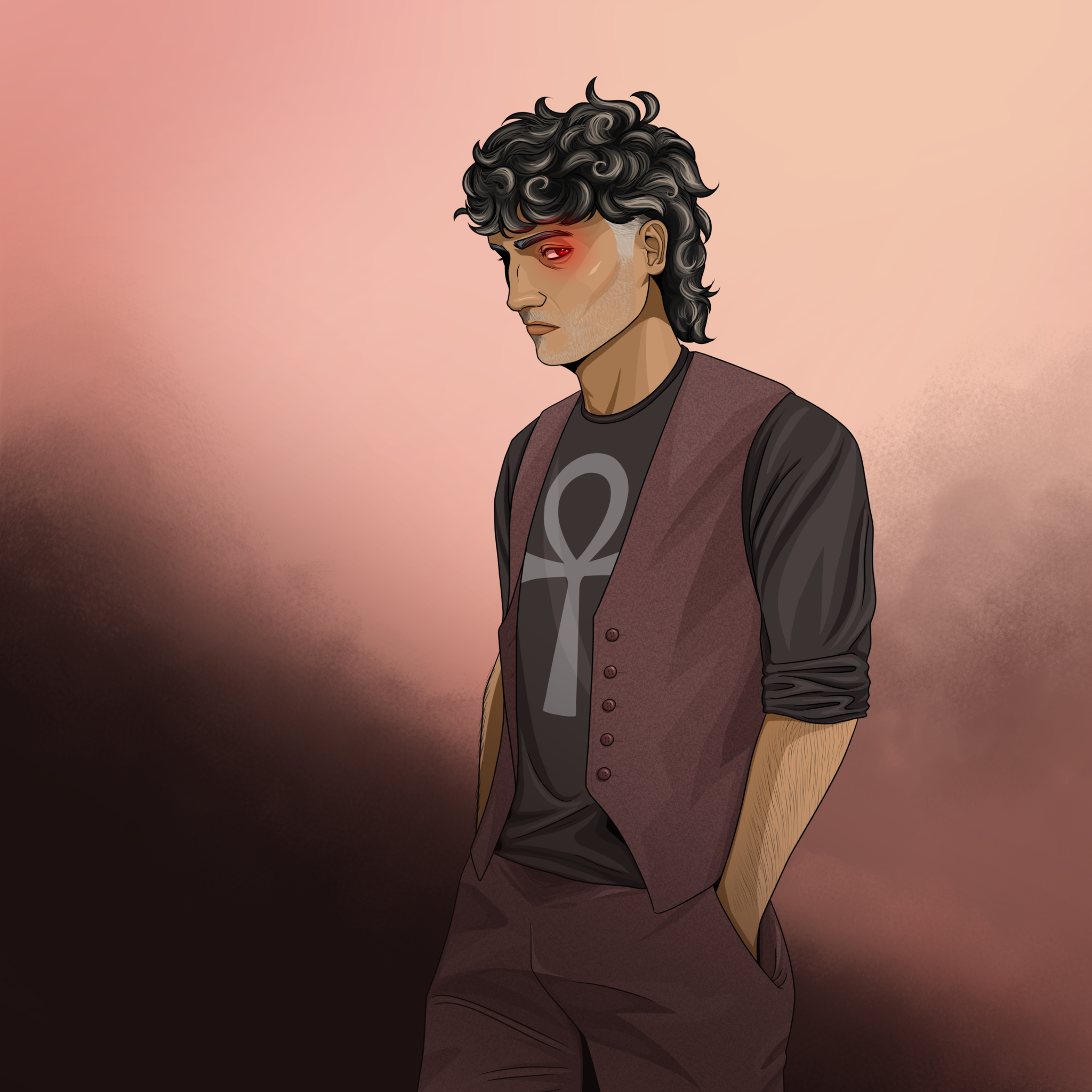
Speaking of death, Ruhan (he/any) is introduced while carrying out his duty to souls crossing from life to death, an ability that is unique to the reaper playbook. We learn that souls can change their fate even after they have died, a beautiful sentiment compared to the absolution we normally see. Kadir plays the character more traditionally than the others, but proves to be comforting and essential later in the series.
The Binding
The series sets up what the game calls the Binding — a moment when multiple Demigods fight together and form a powerful bond. As per the quickstart, the game would normally start after this event, but for this series, they wanted to focus on the binding itself, emphasizing the message of rallying together. The second episode felt a little slow — a lot of focus in the first half was on the characters arriving in Washington DC. Once our demigods unite, they start to shine.
Even if the demigods are extremely powerful, they are still very human. They are still driven by human motivations such as fear, doubt, and hope. They have to battle what holds them back in tandem with battling monsters like the hydra of exhaustion and burnout. Mind you, this is a miniseries, so the amount of delving into their psyche is limited, but we see them overcome what can be summed up as “getting in their own way.” Like many myths and legends, outwitting their opponent is just as important as overpowering them. Fascism infiltrates from within, and so do our demigods.
The most striking moment for me in this miniseries was the conclusion, which has a refreshing amount of nuance. While the monsters are vanquished, they never truly die. The characters have to decide what they will do when fascism inevitably returns. We often find absolutes when it comes to this level of messaging, but they found a way to drive home the message that it’s never that simple, even in the company of gods and demigods. Their differences are perfectly illustrated when they each describe how they see a “picture” of democracy. While they are trying to save democracy, the players aren’t disillusioned that democracy is some perfect solution.
American Demigods sets out to be both a model for the Demigods game and a social commentary on current events from diverse perspectives. In this, they succeed! In just four episodes, they use the game to facilitate a conversation that ranges from believing you can make a difference to understanding that not all actions look the same. The technical aspects and pacing could use some work, but I’d argue that the brief time commitment and substance counterbalance that. You can find all four episodes of American Demigods on Game Master Monday wherever you get your podcasts. The next time Democracy is missing, do you answer the call?
Images via Game Master Monday
Have strong thoughts about this piece you need to share? Or maybe there’s something else on your mind you’re wanting to talk about with fellow Fandomentals? Head on over to our Community server to join in the conversation!